Annotated Bibliography
This bibliography, compiled of both texts and videos, is meant to provide further context to the study of anti-Semitism in Nazi-Era repatriation. The page is split into six areas of focus, each providing information on seperate but connected areas of study. These sections are: "Texts on Repatriation History, Laws, and Regulations", "The History of Nazi-Era Repatriation", "Anti-Semitism In and Out of Repatriation", "Jewish Families and Collections After 1945", "Case Studies", and "Videos".
Texts on Repatriation History, Laws, and Regulations:
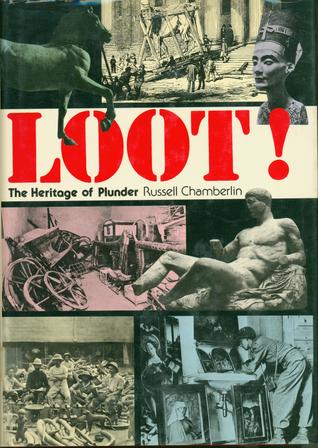
Chamberlin, Russell. Loot! The Heritage of Plunder. New York: Facts on File, 1983.
Chamberlin focuses Loot! on the history of plundering throughout the world. Divided into several sections, the book focuses on several key case studies such as the Elgin Marbles and the looting of Egypt. One critical section describes the art of stealing for one’s national pride instead for one’s own satisfaction. In this section, Chamberlin highlights both Napoleon and Hitler for their dominance in the field. Unlike other books about repatriation, Loot! provides a detailed history of stealing by telling stories and using specific examples. No laws or appendices are provided but photographs and memorable accounts of stolen objects provide an understanding of why people steal art and other cultural objects.
Felch, Jason and Ralph Frammolino. Chasing Aphrodite: The Hunt for Looted Antiquities at the World’s Richest Museum. Boston: Houghton Mifflin Harcourt, 2011.
This book is rooted in ground breaking evidence and research about the trafficking of looted antiquities, primarily at the Getty Museum in California. Throughout the last two centuries, internationally renowned museums have been making deals under the table to acquire some of the most well known and exquisite antiquites. These antiquities, mainly from Italy and Greece, were stolen either from small local museums or directly from archaeological sites and sold illegally to some of the best curators and dealers around the world. Felch and Frammolino, two of the researchers that broke the original story, document a long tradition of stealing and buying illegal objects to better one’s museum. The question can now be asked if this can happen to antiquities than who is to say it is not happening to Jewish owned collections from World War Two?
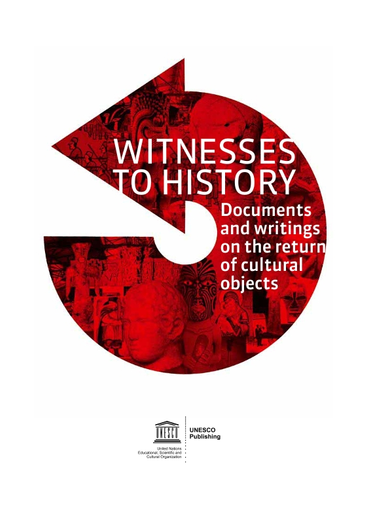
Prott, Lyndel V, ed. Witnesses to History: Documents and Writings on the Return of Cultural Objects. France: UNESCO, 2009.
UNESCO’s compendium is composed of writings and documents pertaining to every single category of cultural heritage and its return to its proper owner or country. The compendium deals with the history of repatriation, the policies and ethics, repatriation in different contexts, and legal issues. More specifically UNESCO details the critical texts and documents outlining the repatriation of objects from the Nazi-Era. Providing both legal documents from the immediate postwar period and later revisions, one can gain a broad understanding of the pros and cons of the laws and regulations developed for Nazi-Era repatriation.
Vrdolijak, Ana Filipa. International Law, Museums, and the Return of Cultural Objects. Cambridge: Cambridge University Press.
Ana Filipa Vrdolijak, the UNESCO Chair in International Law and Cultural Heritage, writes about the return of cultural property all over the world. Anglo-American colonization is the backbone of Vrdolijak’s research and through this Vrdolijak calls for more action to be done in the repatriation field. By highlighting laws and regulations that have been developed over two centuries, Vrdolijak brings attention to the issues of laws and regulations in the moment and the manipulation of these regulations by government officials. Featuring not only Vrdolijak’s writing but also a highly detailed appendix of laws, regulations, abbreviations, and important dates, this book highlights what has happened in the world of cultural heritage repatriation and what needs to be done to further advance the field and safely return objects to their rightful owners.
The History of Nazi-Era Repatriation:
Alford, Kenneth D. Nazi Plunder: Great Treasure Stories of World War II. Boston: Da Capo Press, 2000.
Kenneth D. Alford’s book continues on the topic of Nazi-Era looting and the impact it had on the whole world. Alford discusses America’s role in the plundering of historically important European artworks and makes the claim that this plundering continued well after the war, with soldiers grabbing things as they made their way back home. Focusing on objects that have had a great impact on Europeans cultural history, Alford walks the reader through the immediate postwar years with the capture of Hermann Goring to the most notorious cases of looted artwork still missing to this day (i.e: The Amber Room). By blaming not only the Nazi’s for the looting of European art but the Americans for continuing the practice, Alford unsettles the common thought that America is the balancing partner in all repatriation cases, when in reality it had as much to do with the looting as it did the repatriation.
Alford, Kenneth D. The spoils of World War II: the American Military’s Role in Stealing Europe’s Treasures. New York: Carol Publishing Group, 1994.
Kenneth D. Alford explains the hard truths of the United States military’s involvement in the plundering of primarily Jewish owned collections and objects in the immediate postwar period. The U.S. military, along with other allied countries, were involved in their own form of plundering after World War Two. Often encouraged to take what they could, the military brought back thousands of works of art to Washington D.C. Much of this ‘plunder’ remains in D.C today and has yet to be repatriated to those who it rightfully belongs to. By keeping the list of art gathered secret, the United States military has managed to avoid repatriation cases from both public and private individuals. Only recently have letters and documents been revealed that showcase just how much was taken by the United States and its allies after the war. This book provides a better understanding of why so many Jewish descendants have yet to find their missing familial works.
Fleckner, Uwe. “Marketing the Defamed: On the Contradictory Use of Provenances in the Third Reich.” In Provenance: An Alternate History of Art, edited by Gail Feigenbaum, 137-153. Los Angeles: Getty Research Institute, 2012.
This chapter by Uwe Fleckner discusses National Socialist Germany’s confusing application of provenance. Fleckner highlights the Nazi’s use of Entartete Kunst (Degenerate Art) to further ridicule German museums and other public collections to give up their art, specifically modern and impressionist art. Nazi’s were able to collect and impound ‘degenerate art’ through the manipulation of provenance laws for the benefit of the Reich. Fleckner ends his chapter by discussing the ways in which Nazi’s used this style of art to ridicule and dispose of modern artists who did not fit into the emulation of ‘German Greatness’, many of whom were Jewish.
Hickley, Catherine. The Munich Art Hoard: Hitler’s Dealer and His Secret Legacy. London: Thames & Hudson, 2015.
Catherine Hickley details the Munich Art Hoard from start to finish in her book. Highlighting several paintings and drawings found in a private collection in 2012, Hickley describes their stories from the moment they were taken from their Jewish collectors to – for the lucky ones – the moment it was hung once again on their descendants’ walls. This book focuses on Hitler’s private art dealer and the double life he was living – both buying and selling art for Hitler while at the same time protecting masterpieces from finding their ways into the wrong hands. Through archival research Hickley was able to dig up the truth about Hildebrand Gurlitt and how after more than fifty years the artworks he had ‘saved’ from the Nazi’s finally made it back home.
Howe, Thomas Carr, Jr. Salt Mines and Castles: The Discovery and Restitution of Looted European Art. Indianapolis: The Bobbs-Merrill Company, 1946.
Thomas Carr Howe Jr was one of the Monuments Men in charge of the repatriation and return of Nazi looted art to its rightful countries and private owners. This memoir provides a first hand account of Howe’s emotions and thoughts while first arriving in Germany to the end of his time with the Monuments Men. Provided with these first hand accounts and letters found in the appendix, Howe creates a full picture of how stressful and confusing going through the artworks and processing their returns was. It is also important to note Howe’s use of the word “European” directly after the war ended, when everyone knew that the majority of the artworks they were returning to state governments actually belonged to prominent Jewish families. After the war there were still anti-Semitic themes attached to artworks and due to this many repatriated then by the United States are still not in the hands of their rightful owners.
Kurtz, Michael J. American and the Return of Nazi Contraband: The Recovery of Europe’s Cultural Treasures. New York: Cambridge University Press, 2006.
Michael J. Kurtz’s book focuses on a key period in time that brought about a new wave of repatriation claims from World War II – the fall of the Soviet Union. When the Soviet Union fell in 1991, Kurtz makes the argument that there was a resurgence in Jewish familial claims for lost artworks. The opening of once hidden archives and the reunification of Germany gave people a new chance at finding the works once owned by their ancestors. By 2000, the repatriation claims began to hit international and domestic courts as stolen art began to come to auction with the death of their unlawful owners. Kurtz ends his book by discussing what is ahead for the field and whether or not many of these artworks will ever make it to their rightful home.
Nicholas, Lynn H. The Rape of Europa: The Fate of Europe’s Treasures in the Third Reich and the Second World War. New York: Alfred A. Knopf, 1994.
Acting as a general overview of the history of Nazi art looting and the eventually repatriation of said artworks, Lynn H. Nicholas provides critical documentation about the actions taken in and out of the Nazi regime in regards to both Jewish owned and ‘degenerate art’. Nicholas discusses the Nazi regime’s acts prior to the outbreak of war in 1939 and the critical fifty years after the war when repatriation and ownership claims were at an all time high. By discussing the many ownership claims, Nicholas also discusses the evolution of laws regarding Jewish art and how even in law they are often forgotten.
O’Donnell, Nicholas M. A Tragic Fate: Law and Ethics in the Battle over Nazi-looted Art. Chicago: American Bar Association, 2017.
Nicholas M. O’Donnell focuses on Nazi-Era repatriation cases that have ended up or are heading towards litigation in the United States courts. While the United States spent millions and invested countless months and years into repatriation directly after the war in 1945, private collectors, state governments, and museums found loopholes in their laws and regulations. O’Donnell recognizes that for many descendants and rightful owners of these stolen artworks the only case they have is through litigation. By focusing on litigation, O’Donnell dives below the surface level of someone wanting something back and brings anti-Semitism, the murky waters afters the war, and the problems in the legal system to the foreground.
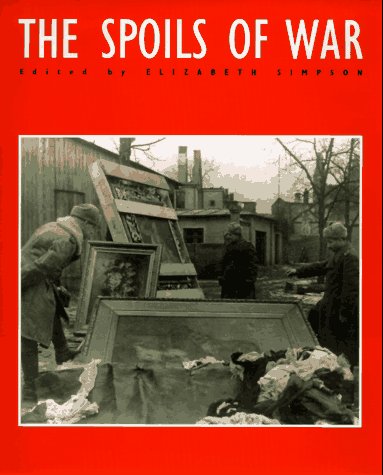
Simpson, Elizabeth, ed. The Spoils of War: World War II and Its Aftermath: The Loss, Reappearance and Recovery of Cultural Property. New York: Harry N. Abrams, 1997.
This edited volume is composed of essays and talks given during a three day symposium organized by Bard Graduate Center. The subject topics range from the history of Nazi-Era repatriation to specific case studies that were still in the spotlight in 1997. This volume provides key primary sources including inventories, photographs, and first hand accounts of the traumatic events at the end of the war in 1945. The symposium highlighted scholars focusing on different countries in Europe, providing a wide range of information on the specifics of what was happening with looting and repatriation in each country immediately after the war.
Smyth, Craig Hugh. Repatriation of Art from the Collecting Point in Munich after World War II. Netherlands: Gary Schwartz, 1988.
Originating as a lecture and then transposed into book form, Repatriation of Art provides primary source material about the creation and implementation of the Munich Collecting Point for the repatriation of works of art. This is a key source because Craig Smyth provides a first hand account of his time with the Monuments, Fine Arts, and Archives Service of the American and British Armed Forces after being transferred from a position in the United States Navy. This book – in addition to the transposed lecture – provides detailed Appendices featuring letters and lists describing the creation and regulations surrounding the Munich Collecting Point.
Anti-Semitism In and Out of Repatriation:
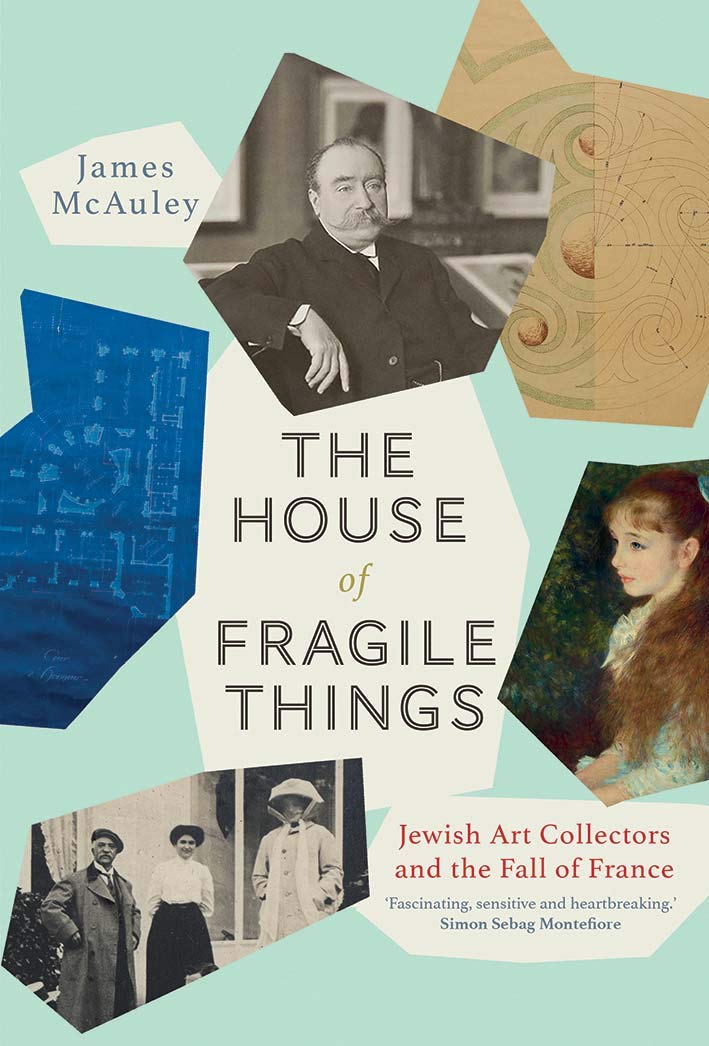
McAuley, James K. The house of fragile things: Jewish art collectors and the fall of France. New Haven: Yale University Press, 2021.
James K. McAuley writes a compelling story of the lives of several prominent Jewish art collectors who lived in Paris during the occupation. Basing his research primarily on letters, McAuley recreates the daily lives of the Jewish community in Paris and what was to happen to their collections once they fled or were sent to labor camps. Anti-Semitism is a critical theme in this book, McAuley describes the terrors and every day occurrences that the Jewish citizens had to endure. While the objects in the collections themselves never faced anti-Semitic laws and regulations as they were all left to the state, the people who once owned them faced unimaginable levels of anti-Semitism by the Nazi regime and the mark of that violence has forever been left on their objects.
Schoell-Glass, Charlotte. Aby Warburg and anti-semitism: political perspectives on images and culture. Detroit: Wayne State University Press, 2008.
Charlotte Schell-Glass’s compilation and arguments about Aby Warburgs understanding of anti-Semitism after 1871 and the reinstatement of the German Empire, provides first hand accounts of what it was like in Germany as anti-Semtitic values were on the rise in lead up to the Holocaust and World War Two. Warburg, best known as an academic scholar, decided to move his school to England in the early 1930s because the tensions were growing too strong for the majority of Jewish scholars who attended and taught at said school – Warburg included. Schoell-Glass concludes her book by stating that at a time of such heightened anti-Semitism it was brave and showed self confidence to come out as a Jewish scholar and to own one’s research values even if it may cost one their life.
Jewish Families and Collections After 1945:
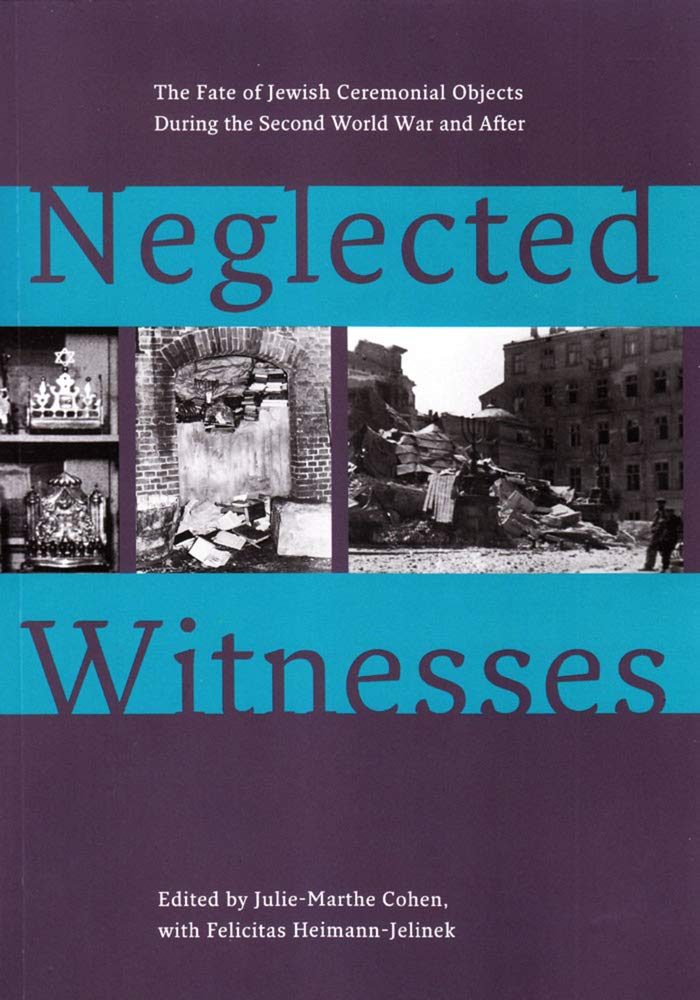
Cohen, Marthe, ed. Neglected Witnesses: the fate of Jewish ceremonial objects during the Second World War and after. Amsterdam: Jewish Historical Museum, 2011.
This compendium – edited by Marthe Cohen – focuses on a less studied part of Jewish repatriation history: the fate of Jewish ceremonial objects in connection with Jewish museums and collections. The introduction to this volume indicates that over time Jewish museums that survived the Nazi regime have begun to find objects that belonged to fallen Jewish museums in their collections. These objects were primarily those used in Jewish ceremonies which came as a surprise since many were supposedly melted down and destroyed during the war. These objects and museums tell a new story of Nazi-Era repatriation and bring to light the hidden stories that keep appearing to this day.
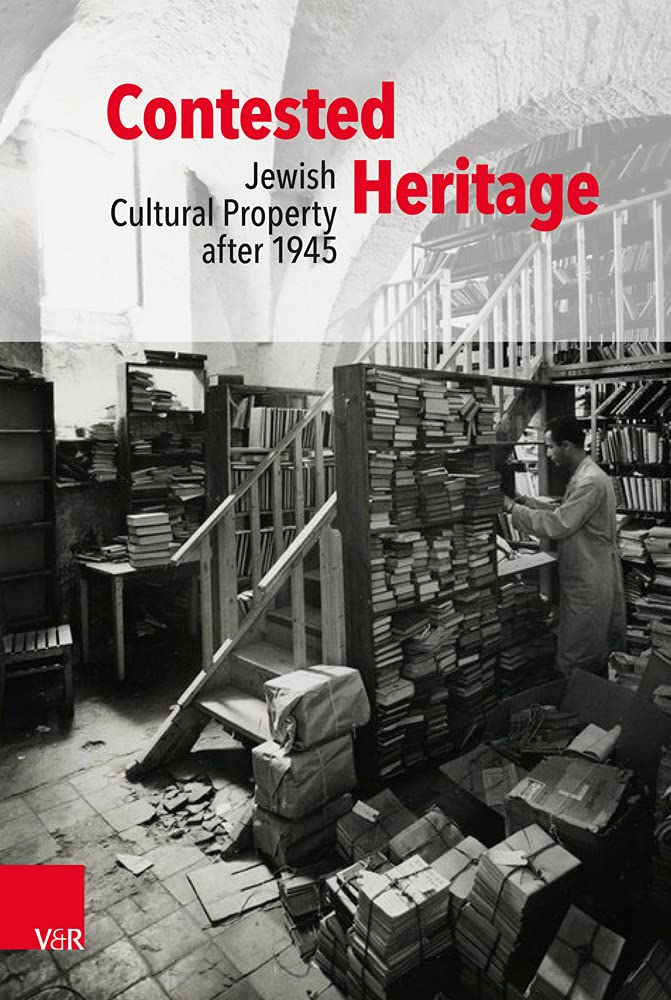
Gallas, Elisabeth, ed. Contested Heritage: Jewish Cultural Property after 1945. Gottingen: Vandenhoeck & Ruprecht, 2020.
Contested Heritage is a compilation of essays focusing on broad and specific sections of Jewish cultural property after the end of World War Two in 1945. Elisabeth Gallas and her co-editors preface the volume by stating that to understand the devastation both during and after the war that the Nazi’s brought upon the Jewish community one needs to look at the prewar period. In just over a decade, the Nazi’s managed to destroy hundreds of years of Jewish civilization in Europe and around the world. By highlighting what happened to objects, books, and archives of particular importance to the Jewish community, the contributors of this volume answer the question of ‘what remains’ and who is still continuing the fight for the preservation of these objects.
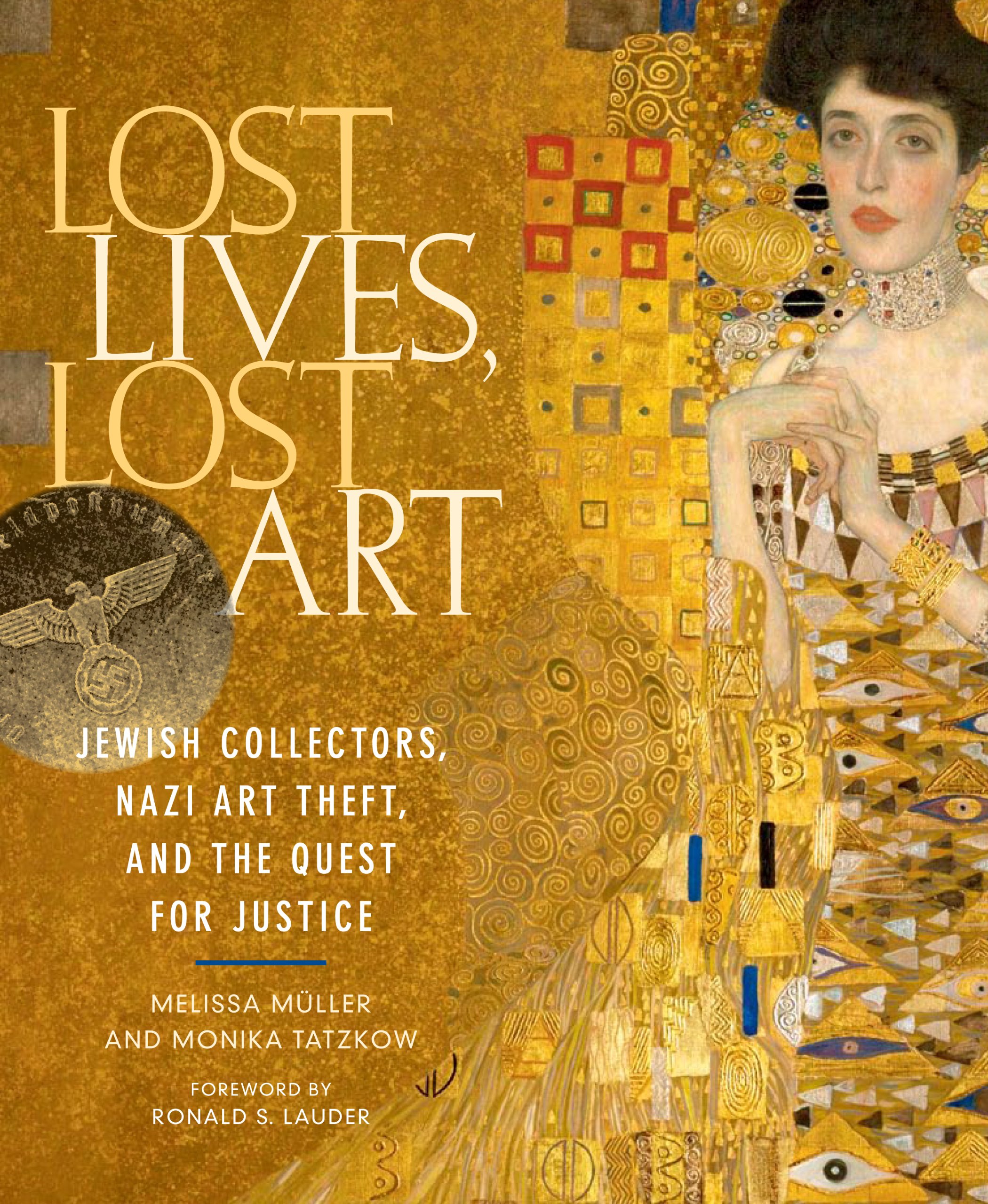
Muller, Melissa and Monika Tatzkow. Lost lives, lost art: Jewish collectors, Nazi art theft, and the quest for justice. New York: Vendome Press, 2010.
Highlighting some of the richest Jewish families of Europe such as the Rothschilds and the Bloch-Bauers, Muller and Tatzkow bring together those that lost their lives with the art that has become their living memory. This book documents these families collections from their acquisition, to their time being owned either by private Nazi officials or state collections, and then finally to their final hanging place in either their rightful home or in museums. Muller and Tatzkow highlight not only important paintings but decorative objects that have often been lost to history or are attributed to the wrong collection.
Case Studies:
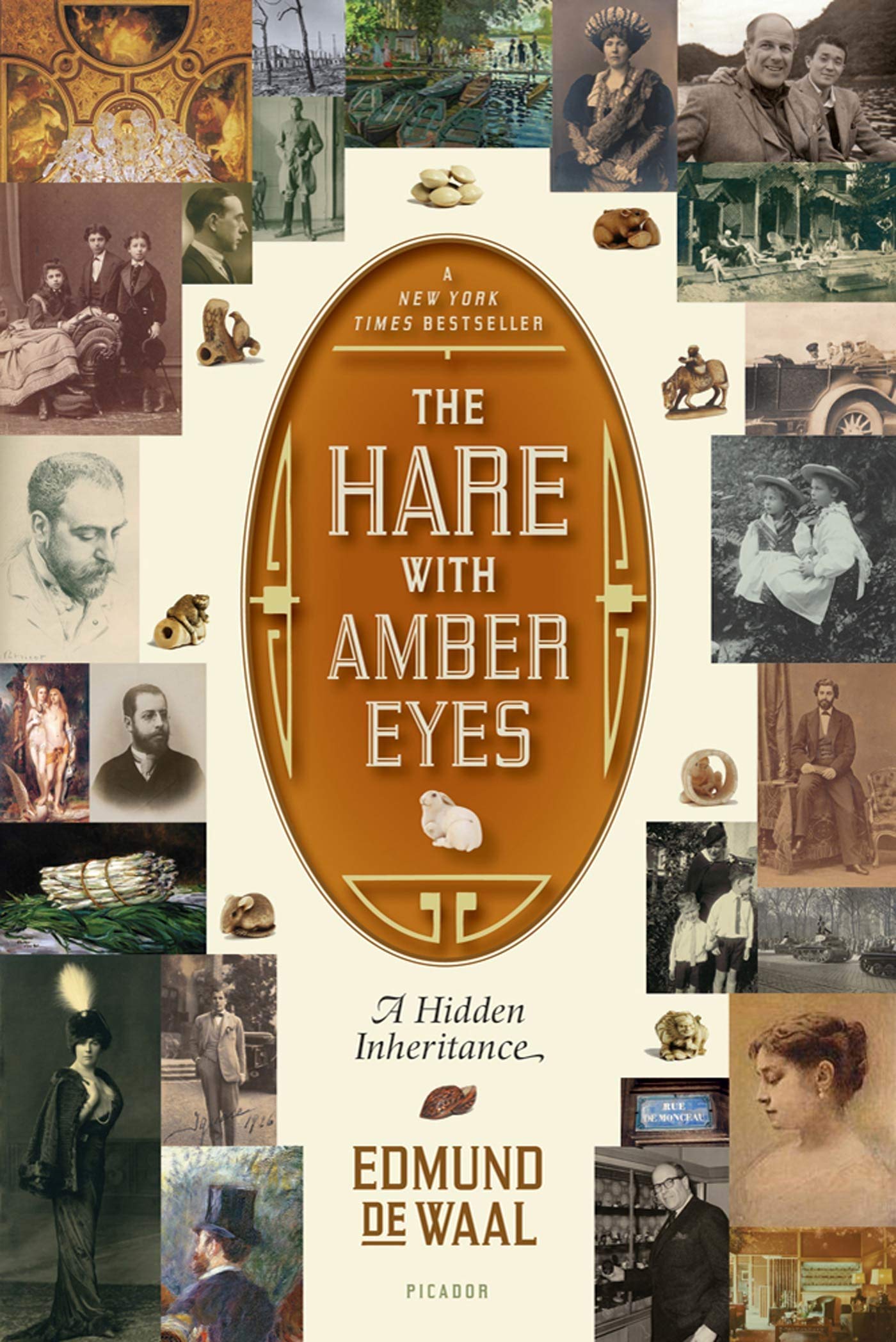
De Waal, Edmund. The Hare with Amber Eyes: A Family’s Century of Art and Loss. New York: Farrar, Strauss, and Giroux, 2010.
This book documents the Ephrussis family and their history before and after the Nazi occupation of Paris and Vienna. Edmund De Waal – a descendant of the original Ephrussis family – documents this story through 264 wood and ivory Japanese Netsuke carvings that survived the traumas of Nazi domination. The Ephrussis family were one of the wealthiest Jewish families in Europe prior to World War Two and collected a vast number of artworks and decorative objects. During the war almost all of these objects were sold, lost, or destroyed – leaving only the Netsuke carvings as the Ephrussis legacy. Due to the loss of the collection, Edmund De Waal had limited material to work with and instead focused on the familial connections between Japan and Europe and how over the years of hardship these specific carvings survived.
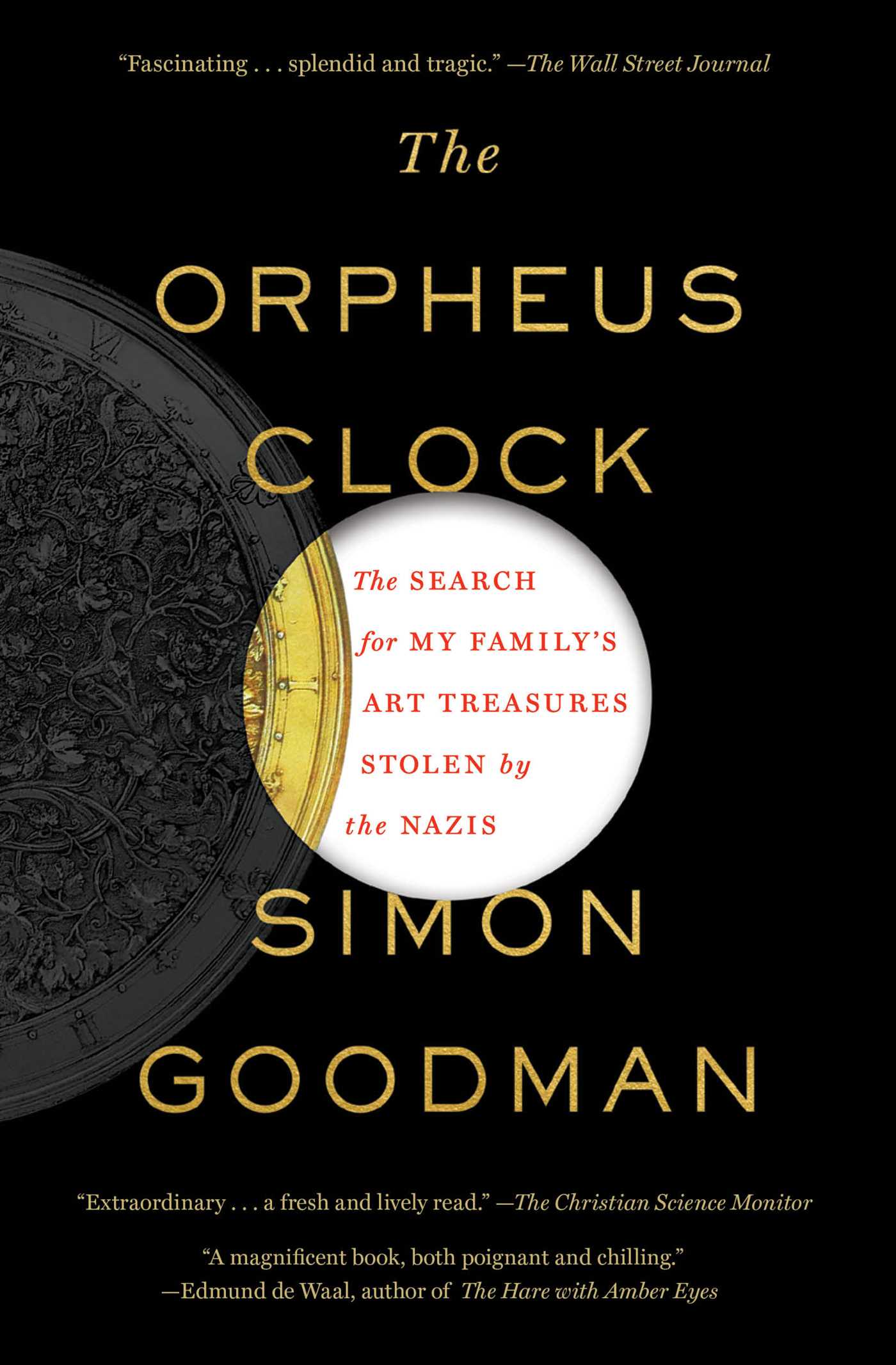
Goodman, Simon. The Orpheus Clock: the search for my family’s art treasures stolen by the Nazis. New York: Scribner, 2015.
A “looted legacy” is the focus of Simon Goodman’s book about his family’s art works that were stolen by the Nazi’s prior to and during World War Two. Goodman details growing up with his father – a war veteran – constantly on the move to locate his parents missing art. While Goodman’s father was not successful due to corrupt museum and private officials, Goodman himself took on the task and continues to do so to this day. Through his work, Goodman highlights the public attention he received while working on repatriating some more famous works with the likes of Degas and Renoir. He claims that this publicity, whether good or bad, forced governments to take a look at their repatriation laws and change the values still prohibiting Jewish families from reclaiming what was rightfully theirs.
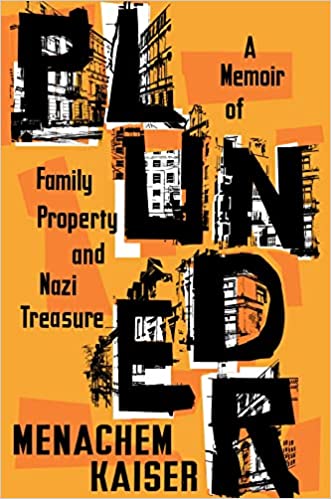
Kaiser, Menachem. Plunder: A Memoir of Family Property and Nazi Treasure. New York: Houghton Mifflin Harcourt, 2021.
Following in the footsteps of his Holocaust survivor grandfather, Menachem Kaiser details his dealing with the Polish government and its lawyers in his quest to get back his families apartment in Sosnowiec, Poland. Recently published in 2021, Plunder deals with with a country that has recently made headlines for establishing anti-Semitic repatriation laws. Due to its age, this book and its author dive head on into a world of Nazi treasure hunters and those that wish to forget and keep everything as it is. Kaiser not only details his story but several others also searching for lost art and families in Poland, creating a sense of a new Jewish community.
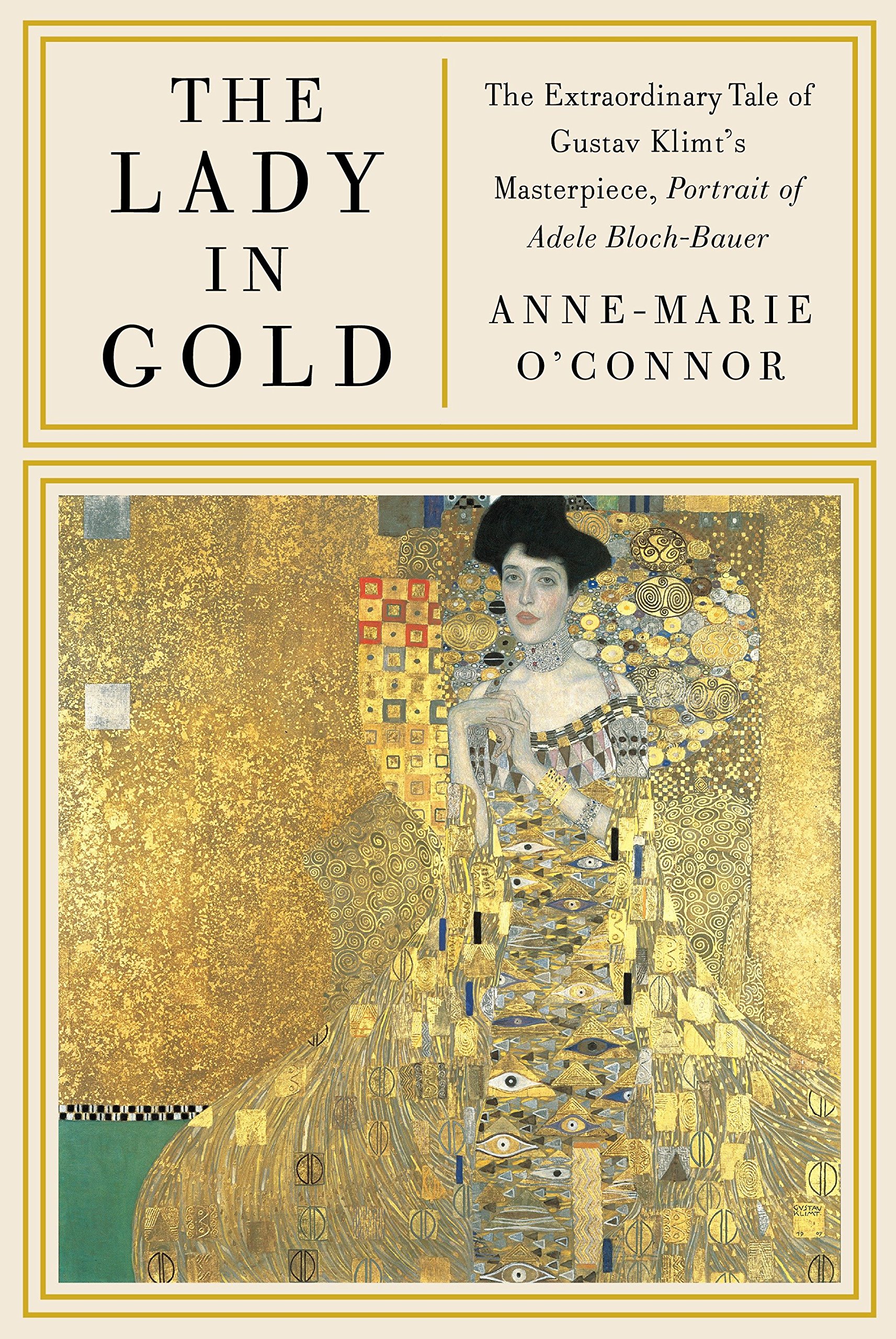
O’Connor, Anne-Marie. The Lady in Gold: The Extraordinary Tale of Gustav Klimt’s Masterpiece, Portrait of Adele Bloch-Bauer. New York; Knopf, 2012.
A former reporter for the Los Angeles Times, recounts the events leading up to and after the stealing of the Portrait of Adele Bloch-Bauer by the Nazis. O’Connor highlights Adele Bloch-Bauer’s relationship with Gustav Klimt in pre-war Vienna where anti-Semitism was high and many prominent Jewish families were beginning to leave the city. The book ends by discussing in detail the case of the Republic of Austria v. Altmann – the most well known art repatriation case in Nazi-Era history. The case follows Maria Altmann – the niece of Adele Bloch-Bauer – petitioning the Austrian government for the painting and several others back. Over the course of several years, the legal battle took over the news and eventually made its way to the U.S. Supreme Court. By writing this book O’Connor highlights the untold stories of the painting and its legal battle. The book provides justice to Maria Altmann and her family by detailing the problematic dealings of the Austrian government and museum professionals.
Videos:
"Looted Art in the Third Reich." DW Documentary, February 10, 2020. Documentary Video, 0:42:26. Accessed April 30, 2022. https://youtu.be/VNooOoJyCWI.
In this documentary produced by DW, a documentary team follows the story of the Saulmann family and their escape from Germany during World War Two. It discusses the critical decisions many Jewish families faced prior to the war - to stay with their art collection or to leave with their lives. The Saulmann heirs are continuing to this day to find the precious pieces of art unwillingly sold to the Nazi’s in the 1930s. Alongside the Saulmann story, the documentary follows the Central Institute of Art History in Munich and its current initiative to go through the archives of one of the most prominent Nazi art dealers to reconnect families with their lost art.
"The Monuments Men." Directed by George Clooney, 2014. Movie, 1:58. Accessed April 30, 2022. https://youtu.be/felsazClWcI.
“The Monuments Men” is a fictionalized version of the group formed by the U.S Army to go and repatriate art looted by the Nazi’s during and after World War Two. While being dramatized for the big screen, the movie highlights the urgency to discover where the stolen art was located as the Nazi’s began to panic towards the end of the war. While only mentioning the horrors of the Holocaust, the movie does touch on the fact that many of the pieces discovered in the mines of Germany were from families that did not exist anymore. The movie brings to light the importance of art and culture when a group is trying to take everything away.
"Recovering Nazi-Looted Art." Museum of Jewish Heritage, October 24, 2019. Documentary Video, 1:07:15. Accessed April 30, 2022. https://youtu.be/13O_Irsi6dU.
The Museum of Jewish History focuses this lecture on the works of several key repatriation historians. Howard Spiegler - one of these historians - details his work on repatriated art back to the heirs of the Jewish families and how he has helped discover once lost pieces of art. Along with this, the struggles of repatriation are discussed at length and the ethical and legal issues rooted in favor of the opposing party.
"What Once Was Lost: Nazi Art Looting and Allied Restitution." The Nelson-Atkins Museum of Art, February 5, 2019. Documentary Video, 0:46:00. Accessed April 30, 2022. https://youtu.be/tsWV0r_ah9I.
Focusing on the collection of the Nelson-Atkins Museum of Art, repatriation specialist MacKenzie Mallon discusses the history of the Allied response to the looted art and how programs such as the Munich Central Collecting Point were created. Using examples from the museum’s collection to further justify her claims, Mallon discusses the journeys some of the pieces made to finally hang on the walls at the Nelson Atkins Museum.
Header Image (Figure 9): Depot outside of Frankfurt where looted books were repatriated by the United States Army Monument Men Division. Yad Vashem Photo Archive.
*All photograph and screencaps were provided through Amazon and YouTube.